Practise with this video

The bishop of Myra who gave his money away in secret, his feast day on 6 December, and how the Dutch Sinterklaas became Santa Claus. The history most Christmas lessons leave out.

Type: worksheet
Category:
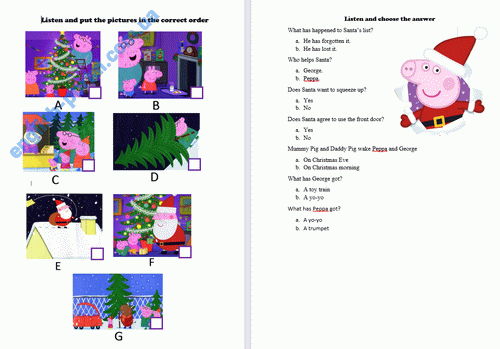
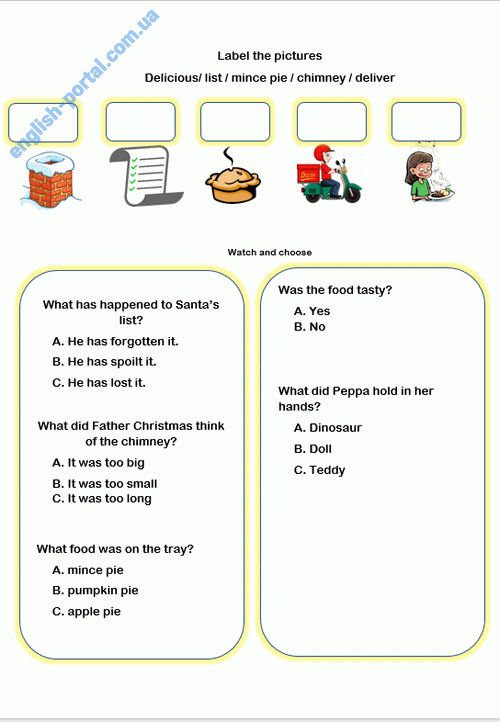
Peppa Pig Lost Christmas List Worksheet
Type: worksheet
Category:
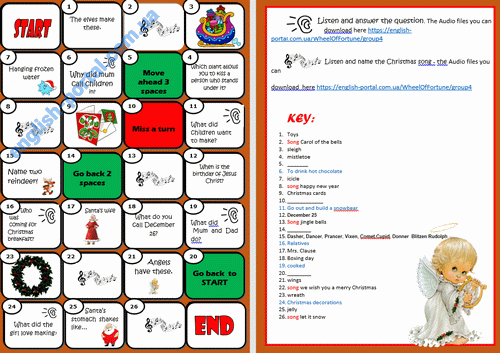
Christmas Board Game Worksheet
Type: worksheet
Category:
Christmas Board Game Worksheet
Type: worksheet
Category:
Christmas Board Game Worksheet
Type: worksheet
Category:
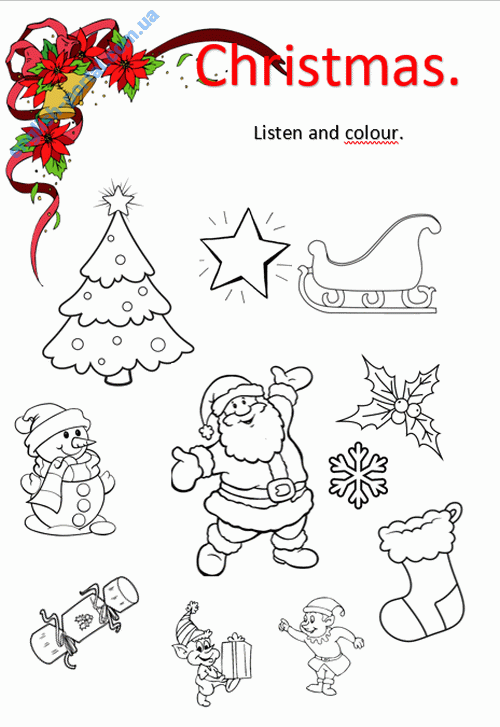
Christmas Colouring Worksheet
Type: worksheet
Category:
Christmas Colouring Worksheet
Type: worksheet
Category:
Christmas Colouring Worksheet
Type: worksheet
Category:
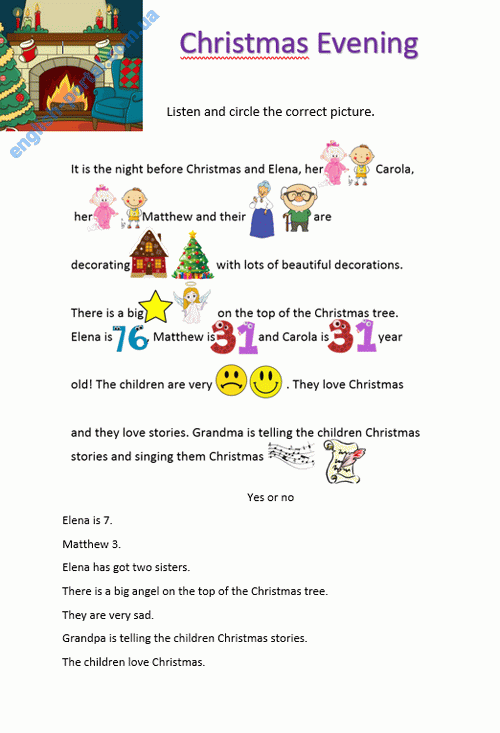
Christmas Evening Worksheet
Type: worksheet
Category:
Christmas Evening Worksheet
Type: worksheet
Category:
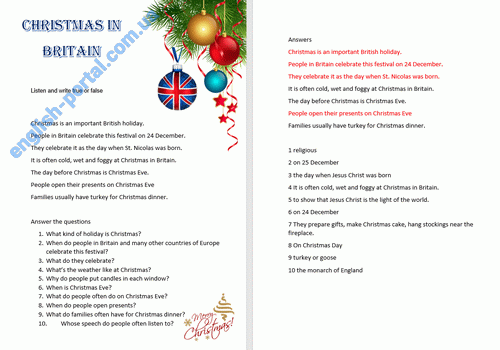
Christmas in Britain Worksheet
Type: worksheet
Category:
Christmas in Britain Worksheet
Type: worksheet
Category:
Christmas in Britain Worksheet
Type: worksheet
Category:
Christmas in Britain Worksheet
Type: worksheet
Category:
Christmas in Britain Worksheet
Type: worksheet
Category:
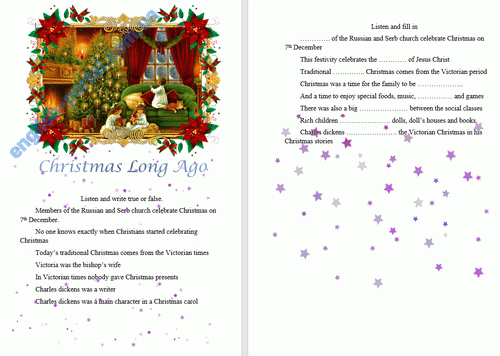
Christmas Long Ago Worksheet
Type: worksheet
Category:
Christmas Long Ago Worksheet
Type: worksheet
Category:
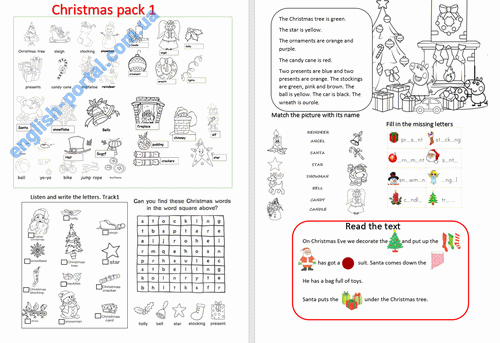
Christmas Pack 1 Worksheet
Type: worksheet
Category:
Christmas Pack 1 Worksheet
Type: worksheet
Category:
Christmas Pack 1 Worksheet
Type: worksheet
Category:
Christmas Pack 1 Worksheet
Type: worksheet
Category:
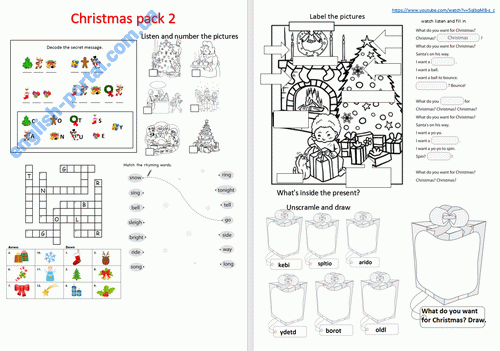
Christmas Pack 2 Worksheet
Type: worksheet
Category:
Father Christmas Worksheet
Type: worksheet
Category:
Father Christmas Worksheet
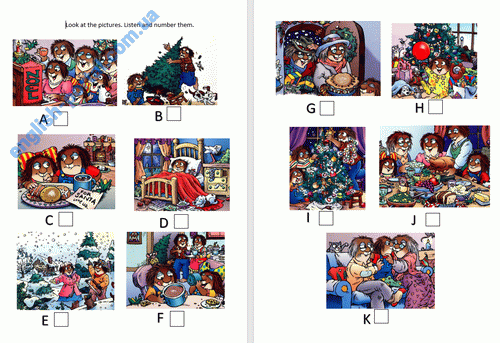
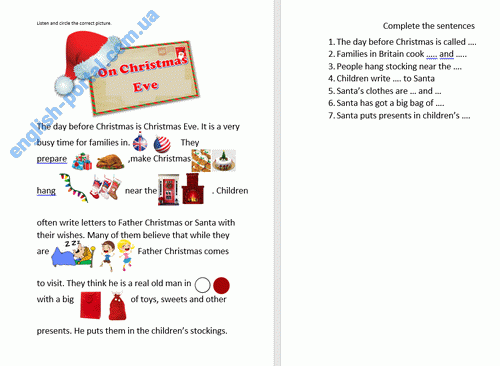
Type: worksheet
Category:
On Christmas Eve Worksheet
Type: worksheet
Category:
On Christmas Eve Worksheet
Type: worksheet
Category:
Christmas Pack 3 Worksheet
Type: worksheet
Category:
Christmas Pack 3 Worksheet
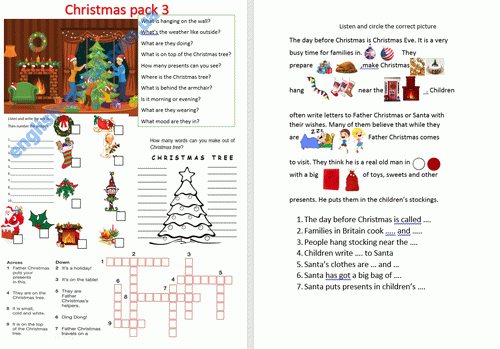
Type: worksheet
Category:
Christmas Pack 3 Worksheet
Type: worksheet
Category:
Christmas Pack 3 Worksheet
Type: worksheet
Category:
Christmas Vocabulary Pack Worksheet
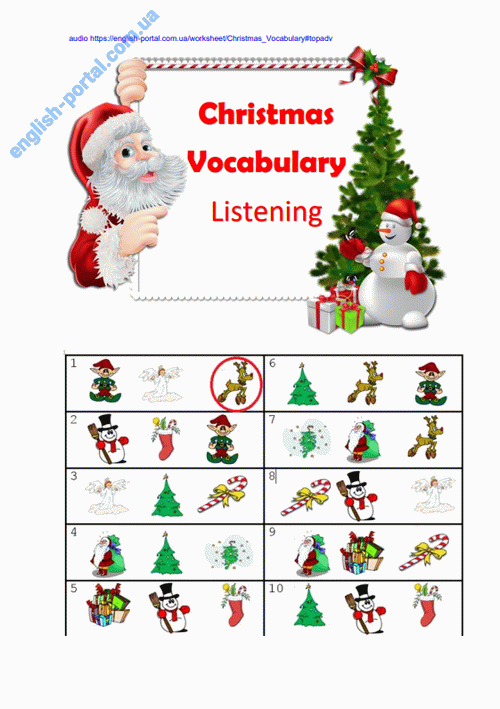
Type: worksheet
Category:
Christmas Vocabulary Pack Worksheet
Type: worksheet
Category:
Christmas Vocabulary Pack Worksheet

Type: worksheet
Category:
Christmas Flashcards Worksheet

Type: worksheet
Category:
Christmas Flashcards Worksheet
Type: worksheet
Category:
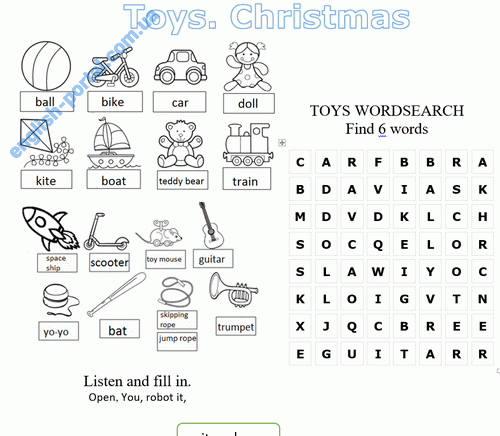
Toys Christmas Worksheet


Type: worksheet
Category:
Christmas 4 Pictures 1 Word Worksheet
Type: worksheet
Category:
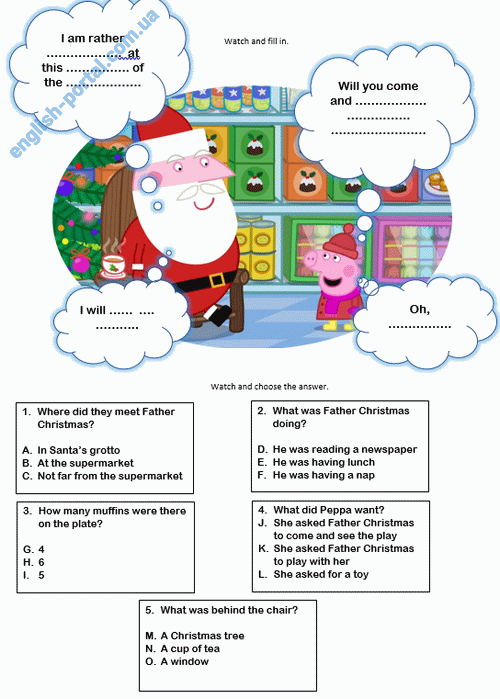
Father Christmas 2 Worksheet
Type: worksheet
Category:
Father Christmas 2 Worksheet
Type: worksheet
Category:
Father Christmas 2 Worksheet
Type: worksheet
Category:
Father Christmas 2 Worksheet
Type: worksheet
Category:
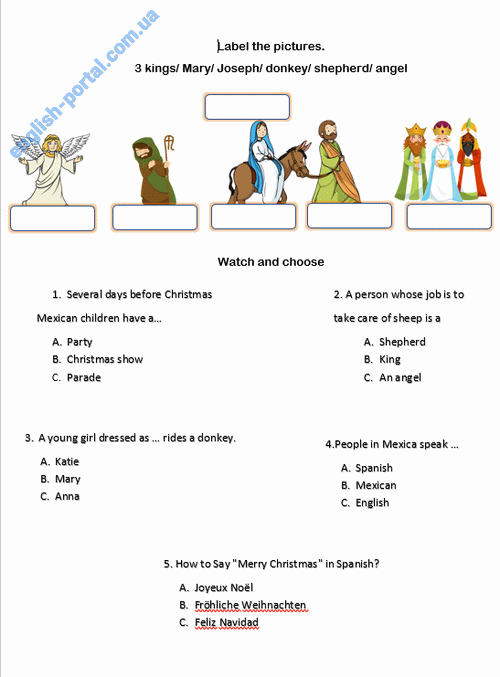
Christmas in Mexico Worksheet
Type: worksheet
Category:
Christmas in Mexico Worksheet
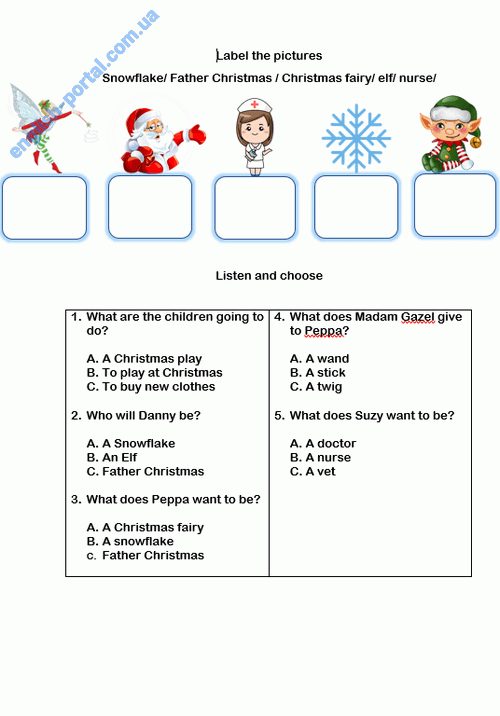
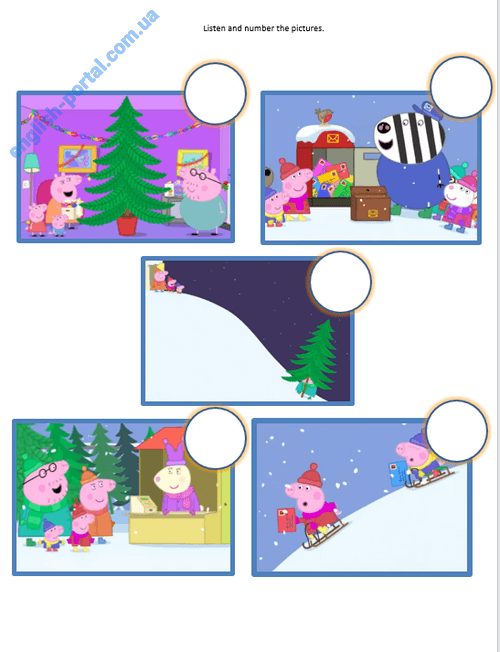
Type: worksheet
Category:
Peppa Pig Christmas Tree Worksheet
Type: worksheet
Category:
Peppa Pig Christmas Tree Worksheet
Type: worksheet
Category:
Peppa Pig Christmas Tree Worksheet
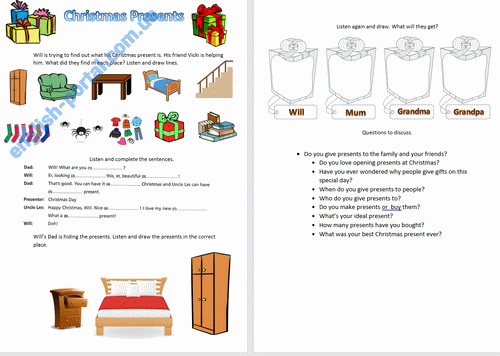
Type: worksheet
Category:
Christmas Presents Worksheet
Type: worksheet
Category:
Christmas Presents Worksheet
Type: worksheet
Category:
Christmas Presents Worksheet
Type: worksheet
Category:
Christmas Presents Worksheet
Type: worksheet
Category:
Christmas Presents Worksheet
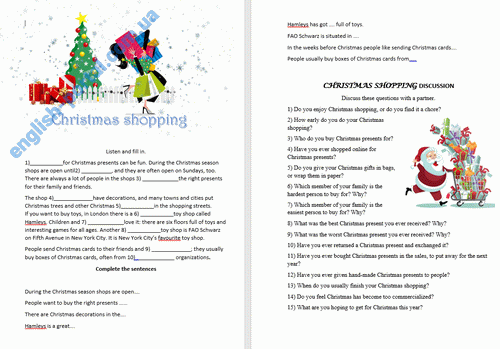
Type: worksheet
Category:
Christmas Shopping Worksheet
Type: worksheet
Category:
Christmas Shopping Worksheet
Type: worksheet
Category:
Christmas Shopping Worksheet
Type: worksheet
Category:
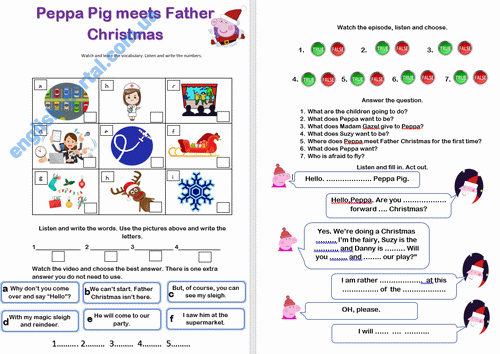
Peppa Pig Meets Father Christmas Worksheet
Type: worksheet
Category:
Peppa Pig Meets Father Christmas Worksheet
Type: worksheet
Category:
Peppa Pig Meets Father Christmas Worksheet

Type: worksheet
Category:
Christmas Traditions Worksheet
Type: worksheet
Category:
Christmas Traditions Worksheet
Type: worksheet
Category:
Christmas Traditions Worksheet
Type: worksheet
Category:
Christmas Traditions Worksheet
Type: worksheet
Category:
Christmas Traditions Worksheet
Type: worksheet
Category:
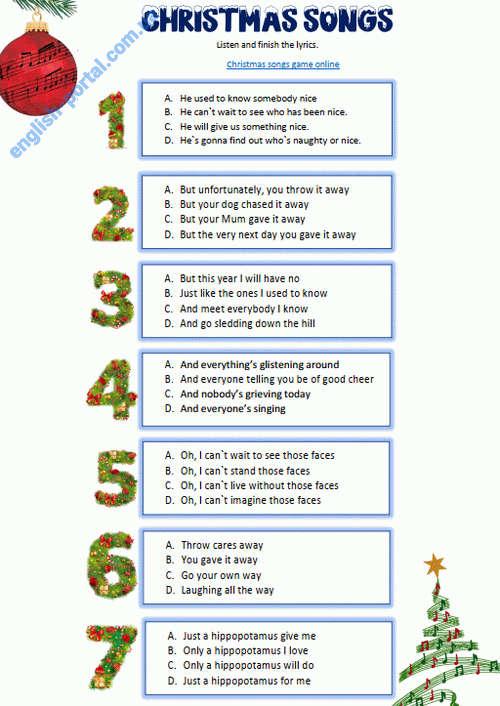
Christmas Songs Game Worksheet
Type: worksheet
Category:
Christmas Songs Game Worksheet
Type: worksheet
Category:
Christmas Songs Game Worksheet
Type: worksheet
Category:
Christmas Songs Game Worksheet
Type: worksheet
Category:
Christmas Songs Game Worksheet
Type: worksheet
Category:
Christmas Songs Game Worksheet

Type: worksheet
Category:
Christmas True or False Game Worksheet