
Why do we celebrate Halloween on 31 October, and why do people dress up as ghosts and witches? The answer starts more than two thousand years ago, with the Celts.
How did Halloween begin?
1. Samhain – the end of summer
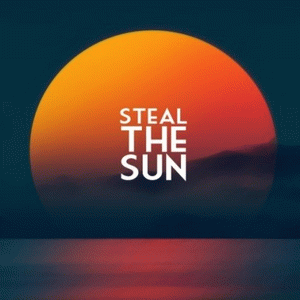
The roots of Halloween go back to a Celtic festival called Samhain. It marked the end of the harvest and the beginning of the dark half of the year. People believed that at this time evil spirits stole the sunlight, so the days grew colder and the nights longer.
2. Fires and costumes
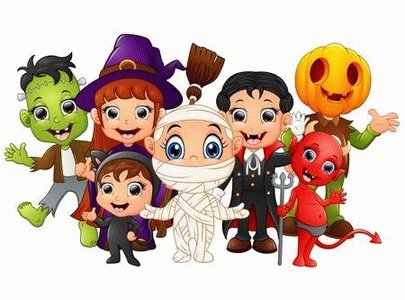
31 October, the eve of Samhain, was the night when the border between the world of the living and the world of the dead was weakest. Devils, witches and goblins wandered freely and caused mischief – they stole animals, turned over carts and played tricks on villagers.
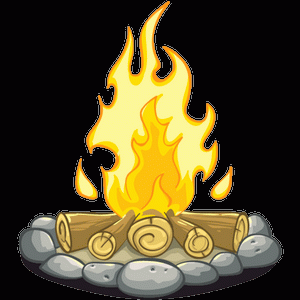
To protect themselves, the Celts in today’s Britain and France lit huge bonfires and wore costumes of fur and animal skins to hide from the spirits. This is one of the earliest forms of Halloween dress-up.
3. From All Hallows’ Eve to Halloween
When the Roman Empire grew, Samhain mixed with the Roman festival of Feralia, a day to honour the dead. Later the church created All Saints’ Day on 1 November. The night before was called “All Hallows’ Eve” – which slowly became Hallowe’en, and then simply Halloween.
harvest – the time when crops are collected · spirit – a ghost; a being without a body · bonfire – a big fire outside · mischief – bad but not serious behaviour · to honour – to show respect
- What was the name of the Celtic festival?
- What did people believe happened to the sunlight?
- How did the Celts protect themselves from the spirits?
- Which Roman festival mixed with Samhain?
- What was the night before All Saints’ Day called?
Show answers
- Samhain.
- Evil spirits stole it, so the days grew colder and the nights longer.
- They lit huge bonfires and wore costumes of fur and animal skins.
- Feralia.
- All Hallows’ Eve.
- Pre-teach the five words above, read the text in three parts and ask one question after each part.
- Ask students to put the three steps of the story in order – then retell it in their own words.
Everything else for the holiday – games, worksheets, listening and videos – is in the Halloween section.