
Halloween is not only pumpkins and costumes. For centuries people all over the world have had their own ways of remembering the dead and keeping bad spirits away – and many of these customs are still alive today. Here are eight short facts, each small enough to read in class in a minute.
Eight Halloween facts from around the world
🔥 The origin of the bonfire
The word bonfire comes from bone and fire. In ancient times people threw animal bones into big fires to scare away evil spirits on dark autumn nights.
🍎 Old names for Halloween in England
In England, Halloween was once called Nutcrack Night or Snap Apple Night. Families played games with apples and nuts, believing these foods had magic powers for love and luck.
🥔 Turnips before pumpkins
The first jack-o’-lanterns were not pumpkins. In Ireland and Scotland people carved faces into turnips and put a candle inside to keep evil spirits away. In America pumpkins took their place – they were bigger and easier to carve.
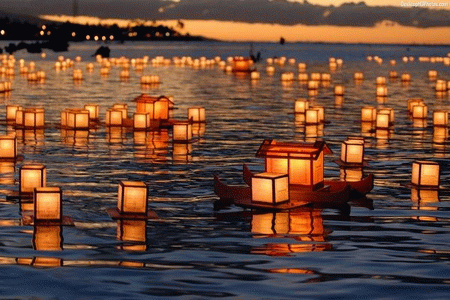
🏮 Japan’s Bon Festival
In Japan people honour their ancestors during Obon, the Festival of the Dead, usually held in mid-August. Families light lanterns and visit graves to welcome the spirits of their loved ones home.
💍 Ireland’s fortune-telling bread
In Ireland people bake barmbrack, a sweet fruit bread, for Halloween. Small objects are baked inside, and each one tells your fortune – whoever finds the ring will marry soon.
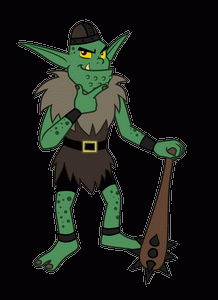
👻 A nightmare in Germany
An old German word for a nightmare means something like “goblin pressure”: people believed a creature sat on your chest while you slept and brought bad dreams.
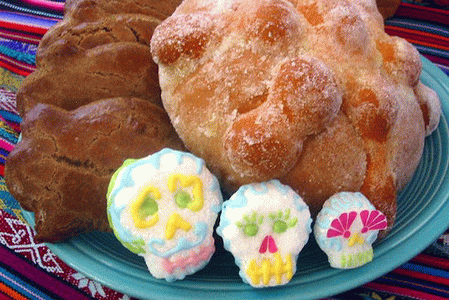
💀 Day of the Dead in Mexico
On 1 and 2 November Mexican families remember their loved ones. They build small altars with photos, flowers and favourite food, leave toys for children who have died, and bake pan de muerto – “bread of the dead” – decorated with dough bones.
🌸 All Saints’ Day in France
In France the important day is 1 November, All Saints’ Day. Families visit cemeteries and bring flowers, usually chrysanthemums, to the graves of their relatives.
- Fact or fiction? Read a fact aloud but change one detail – the class shouts “Fiction!” and corrects it.
- Which country? Write the countries on the board, read the facts in random order and let teams match them.
- Your turn: students write one Halloween fact about their own country for a class “facts wall”.
Everything else for the holiday – games, worksheets, listening and videos – is in the Halloween section.