
Best English Cartoons for Young Learners
Watching cartoons is a helpful way for children to get used to the English language. The speech is usually clear, the vocabulary is simple, and many shows use repetition, making them suitable for young learners.
Top Recommended Series for Ages 1–3
1. Nursery Rhymes
Nursery rhymes help children learn numbers, animal names, rhyming words, and basic grammar. They support pronunciation and language rhythm in an enjoyable format.
2. Baby Genius
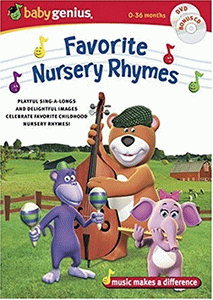
This video series includes fun stories and music. It introduces children to English through animation and familiar situations. Characters like DJ the Dinosaur and Vinko the Dancing Bear appear frequently.
3. Happy Rhymes
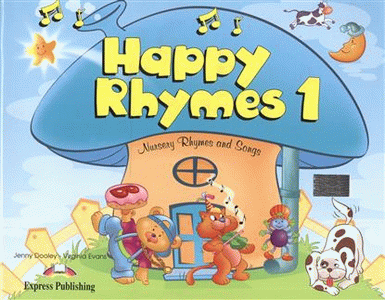
This course features classic rhymes, each supported by a short story that introduces key vocabulary and themes.
4. Cookie’s Nursery Rhyme Video
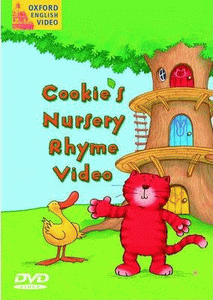
This video includes eight rhymes presented by animated characters. It is designed for preschool learners.
5. Super Simple Songs
This channel presents familiar songs in a simplified format for young learners. It combines music with visuals to support comprehension.
6. World Family (Zippy)
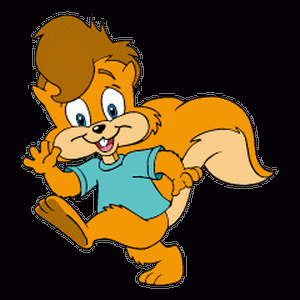
These videos are designed to introduce basic vocabulary through stories and songs. They follow a structured approach to support early learning.
7. Little Pim
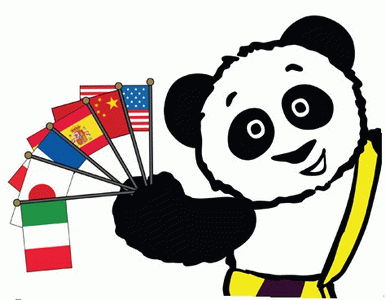
This animated series introduces words and phrases through real-life topics like eating, playtime, and daily routines. A panda character guides the lessons.
8. Baby Beetles
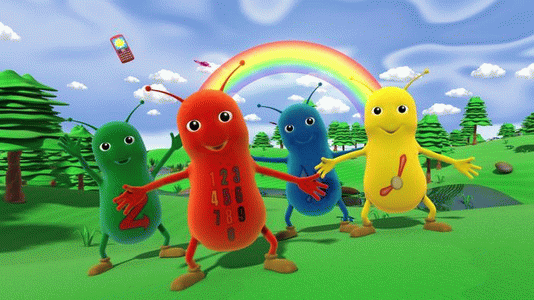
This animated series focuses on foundational vocabulary. Each character represents different aspects of child development, helping to model simple language naturally.
9. Maisy
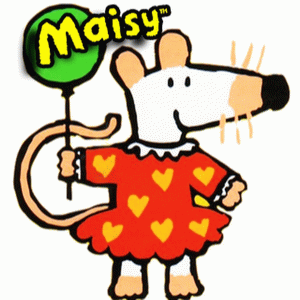
Maisy the mouse and her friends go on simple adventures. The language used is basic and clear, ideal for beginners.
10. Disney’s Magic English
This series features popular Disney characters and includes games, songs, and activities to teach English in an enjoyable way.
11. Humf
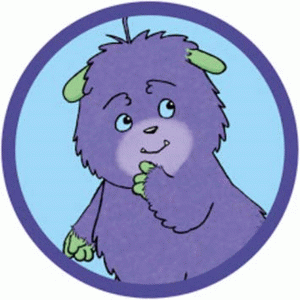
Humf is a curious and kind creature exploring daily life with friends. The show uses short episodes and simple dialogue that is easy to understand.
12. Gogo Loves English
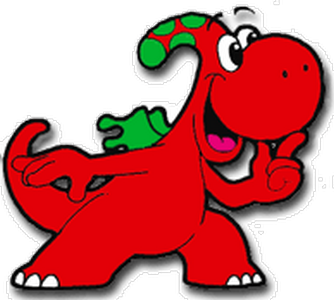
Gogo’s Adventures use songs and visual storytelling to present useful language in a fun way. The series is designed for children aged 3–9 years.
13. Max & Ruby
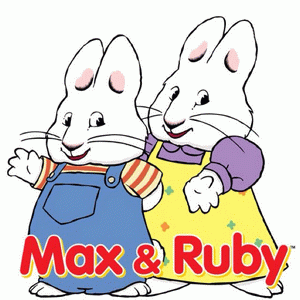
This show tells stories about two young bunny siblings. The simple conversations and family themes help children learn useful everyday phrases.
14. ELF Kids Videos
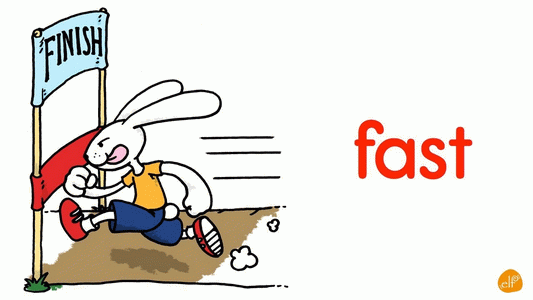
This channel offers educational videos focused on vocabulary, songs, and basic English grammar for children.
15. Spot’s Adventure
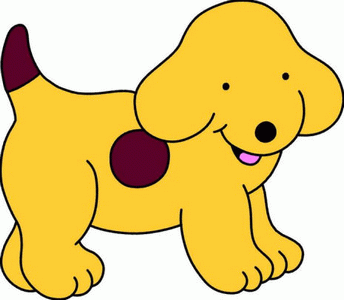
This series features Spot, a curious puppy, in short, easy-to-follow adventures that help introduce basic English in context.