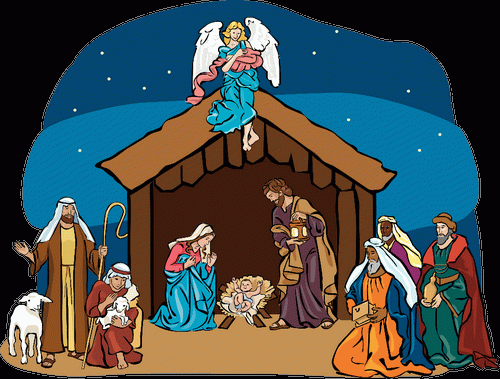
The exact date of Jesus Christ’s birth is unknown. Based on biblical clues, many historians believe that it likely took place in September, around six months after Passover. What’s widely agreed upon is that a December birth is unlikely, as the Bible describes shepherds watching over their flocks at night — something rare during cold Judean winters. So why is December 25 celebrated as the birthday of Christ?
The answer lies in the ancient origins of the celebration. Long before Christianity, various cultures celebrated the winter solstice. In ancient Babylon, December 25 marked a feast in honor of the son of the goddess Isis. In Rome, the holiday of Saturnalia celebrated Saturn, the god of agriculture, with food, gifts, and public festivals. Romans also observed the Kalends of January to mark the triumph of life. The entire season was known as Dies Natalis Invicti Solis — “Birthday of the Unconquered Sun.” These events were filled with music, food, and performances. It’s from these Roman traditions that Christmas caroling is believed to have evolved, inspired by groups of costumed performers called Mummers.

In northern Europe, other customs that pre-date Christianity also influenced today’s Christmas symbols. The winter solstice was known as Yule, associated with the birth of the pagan Sun God, Mithras. As daylight slowly returned after the solstice, people lit candles to welcome the return of the sun. Large Yule logs were burned in its honor. The word "Yule" itself comes from a word meaning “wheel” — a symbol of the cyclical sun. Plants like mistletoe and holly were considered sacred and used in fertility and protection rituals, including the practice of kissing under the mistletoe.
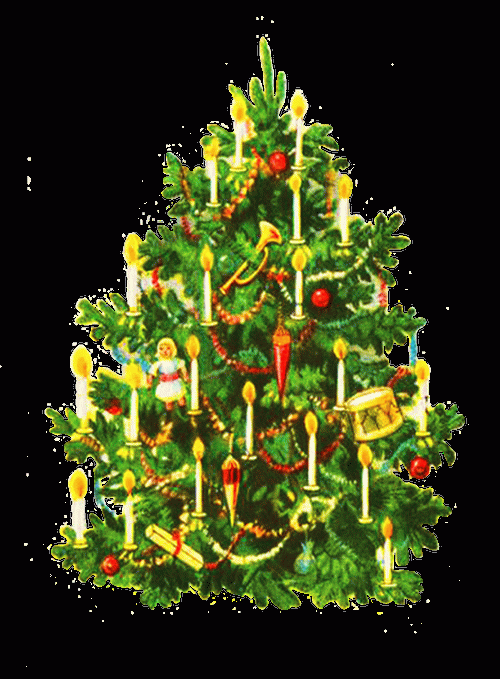
Evergreen trees were another powerful symbol during harsh winters, reminding people that life would return. In many northern cultures, branches or entire trees were brought indoors as signs of good luck and hope for fertility. Druids even used large trees in their religious ceremonies, gathering around them to perform sacred rites.

In the year 350, Pope Julius I officially declared December 25 as the date to celebrate Jesus’ birth. Historians believe this decision helped convert Roman pagans to Christianity by allowing them to keep familiar celebrations under a new religious context.
Many historians agree that the modern version of Christmas developed in Germany, although there is still debate between Catholic and Lutheran communities over which denomination first celebrated it in its modern form. The earliest known mention of a decorated Christmas tree dates to 1521 in the Alsace region of Germany.

At the time, some religious leaders were critical of the decorated tree. One Lutheran minister famously said: “It is better to look to the true tree of life — Christ.”
Even today, discussions continue about the balance between ancient tradition and religious meaning in the way we celebrate Christmas.