
Discover 8 popular idioms related to the autumn season. These expressions are not only seasonally themed but also commonly used in everyday English. Perfect for classroom activities or vocabulary expansion!
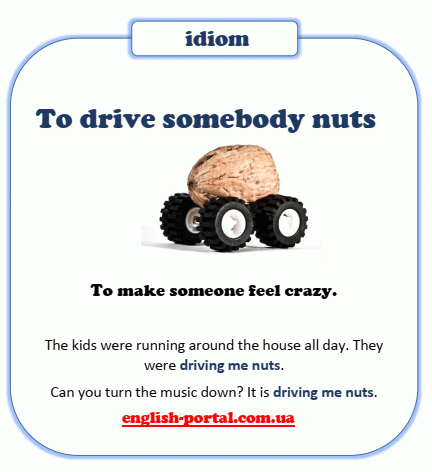
1. To drive somebody nuts
This idiom means to annoy someone very much. For example: "The constant noise from the street is driving me nuts!"
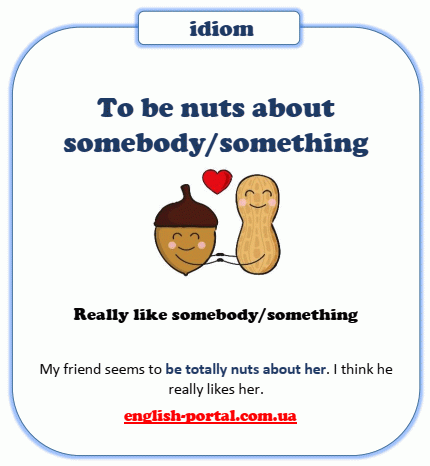
2. To be nuts about somebody/something
Used when someone is extremely enthusiastic or in love with something or someone. For example: "He’s nuts about football."
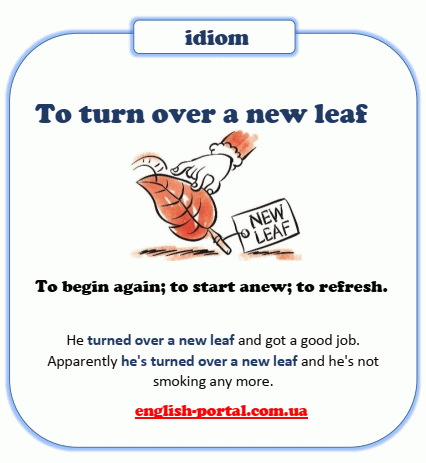
3. To turn over a new leaf
Means to start behaving in a better way. For example: "He promised to turn over a new leaf and stop being late."
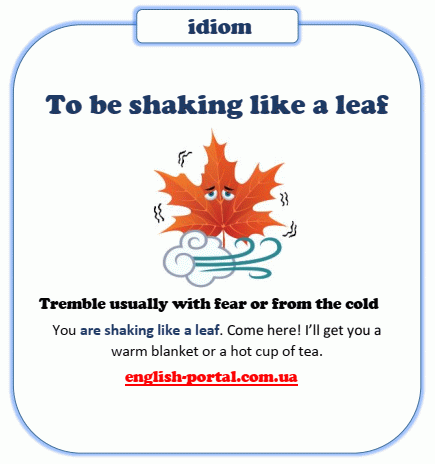
4. To be shaking like a leaf
Used to describe someone who is extremely nervous or afraid. For example: "She was shaking like a leaf before the interview."
5. Save for a rainy day
This idiom means to save money for a time when it might be needed unexpectedly. Example: "Try to save some money for a rainy day."

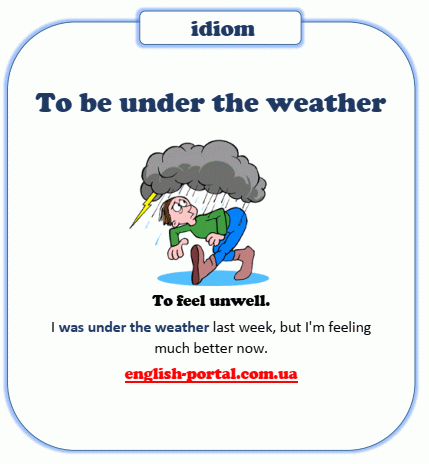
6. To be under the weather
Means to feel unwell or sick. For example: "I’m feeling a bit under the weather today."
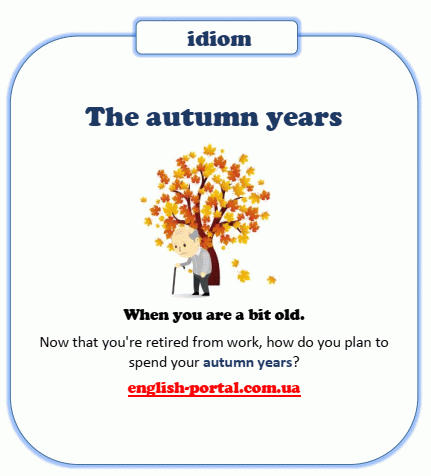
7. The autumn years
This idiom refers to the later years of a person’s life. For example: "They enjoyed traveling during the autumn years of their lives."
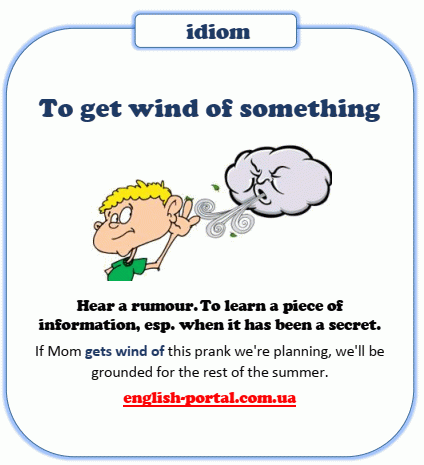
8. To get wind of something
Used when someone hears a rumor or secret. For example: "She got wind of the company’s plan to relocate."
You can download printable autumn idiom flashcards and the accompanying worksheet for free.