
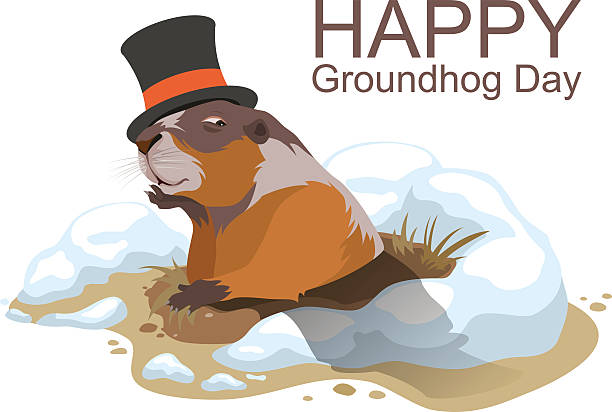
Groundhog Day is celebrated annually on February 2 in the United States, coinciding with the Christian holiday of Candlemas. It has become a well-known part of American culture and folklore. The day centers around the idea that a groundhog can “predict” the weather based on whether it sees its shadow.
Is Groundhog Day a Public Holiday?
Groundhog Day is not a federal public holiday. It is observed every year, and when it falls on a weekend, businesses typically maintain normal weekend hours. In 2020, for example, it was held on Sunday, February 2.

The groundhog (Marmota monax), also known as a woodchuck, is a member of the squirrel family. It is part of the marmot group — large ground squirrels found in North America. The name "monax" is derived from an Algonquian word meaning “digger.” Young groundhogs are sometimes called chucklings. While other marmots live in mountainous areas, groundhogs prefer lowland environments and can be found throughout the eastern United States, Canada, and parts of Alaska.
What Do People Do on Groundhog Day?
Groundhog Day is widely observed across the United States. Although many regions have their own local groundhogs, the most famous one is Punxsutawney Phil, who lives in Gobbler’s Knob near Punxsutawney, Pennsylvania. Thousands of visitors come each year to witness Phil’s prediction, attend local festivals, and enjoy the atmosphere of the event.
 The Punxsutawney Groundhog Club organizes the event. Club members, officials, tourists, and media gather early in the morning on February 2 to see whether Phil will see his shadow. Pennsylvania’s governor has occasionally participated in the ceremonies. Although scientists do not consider Phil’s prediction scientifically valid, the tradition remains popular and lighthearted.
Public Life and Local Impact
While Groundhog Day is not an official holiday, it can still affect local life. In towns like Punxsutawney, events can draw large crowds, causing temporary traffic and congestion around parks and downtown areas.
Origins and Symbolism
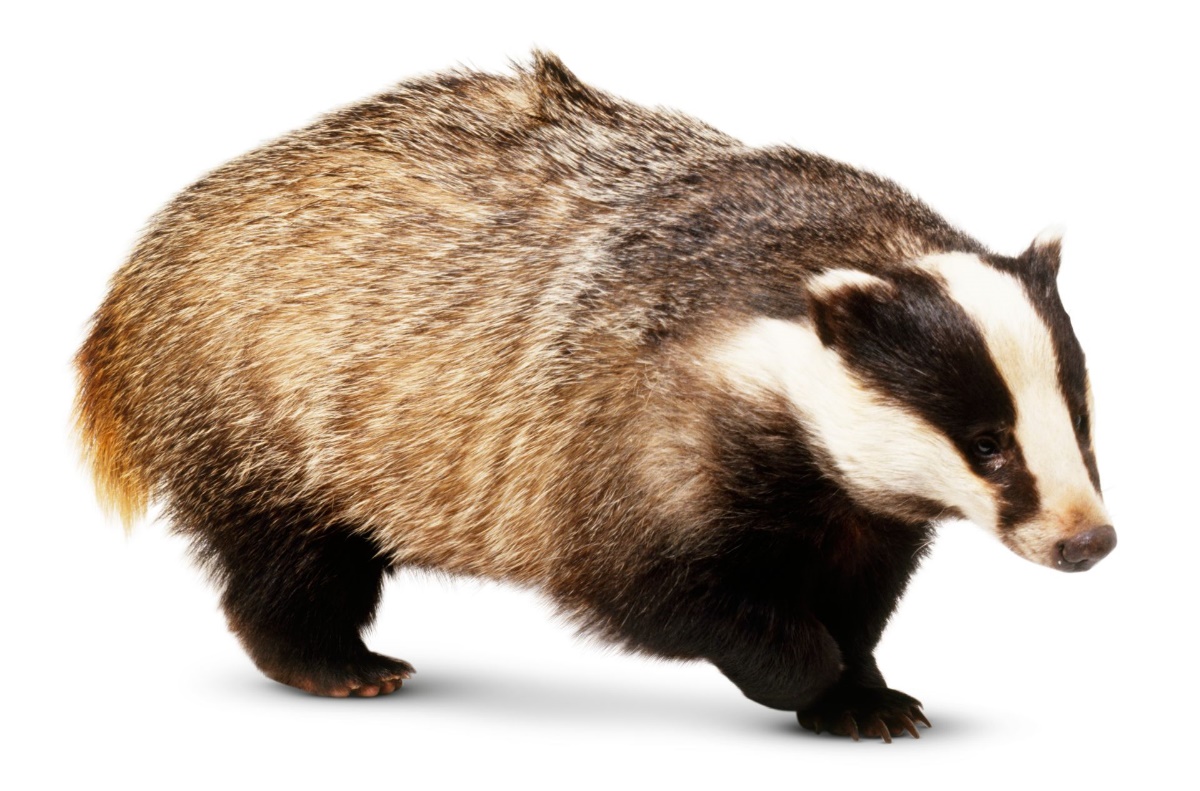
The roots of Groundhog Day go back to ancient nature-based traditions. In what is now Germany, people believed that animals like the badger could predict the coming of spring. German immigrants brought this tradition to Pennsylvania. Since there were few badgers, the groundhog became the substitute predictor.
According to folklore, if the groundhog sees its shadow on February 2, it will return to its burrow, signaling six more weeks of winter. If no shadow is seen, spring will arrive early.
Who Is Punxsutawney Phil?
 The first official Groundhog Day at Gobbler’s Knob was held on February 2, 1887. Punxsutawney Phil was reportedly named after King Philip. Before that, he was called Br’er Groundhog. Today, he is the star of the event, and even Canada observes a version of Groundhog Day.
The 1993 comedy film “Groundhog Day”, starring Bill Murray, helped make the holiday world-famous. The story of a man reliving the same day over and over gave rise to a new expression — when people refer to a repetitive situation as “like Groundhog Day.”