
What Is Chinese New Year?
Chinese New Year, also known as the Spring Festival, is one of the most important holidays in Chinese culture. Historically, it was a time to honor ancestors and spiritual traditions. It is based on the lunar calendar, meaning that the date changes each year according to the moon’s phases and the solar cycle.
How Is It Celebrated?
The festival is marked by vibrant customs and symbolic traditions.
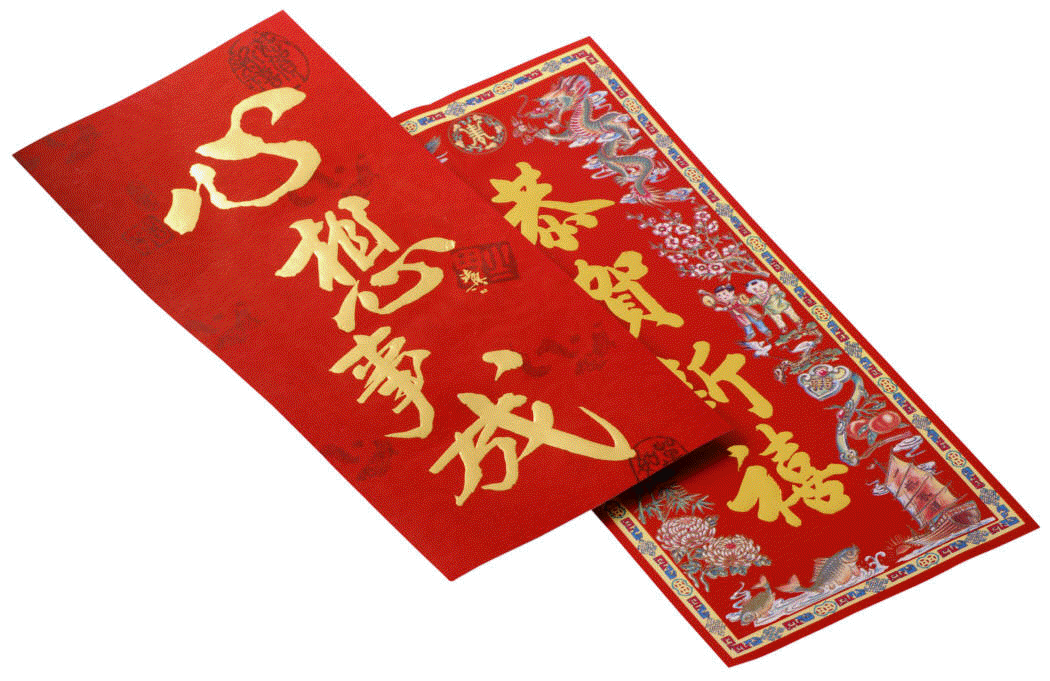
Red Envelopes: Red symbolizes good luck and happiness in Chinese culture. It is customary to give red envelopes filled with money, usually in even numbers—except for the number four, which is considered unlucky as it sounds like the word for "death" in Chinese.
Mandarin Trees: Instead of Christmas trees, many Chinese households decorate with mandarin orange trees, believed to bring prosperity and good fortune.

Lantern Making: Lanterns of various shapes and colors are created and displayed. Red and gold round lanterns are especially common and symbolize wealth and happiness.
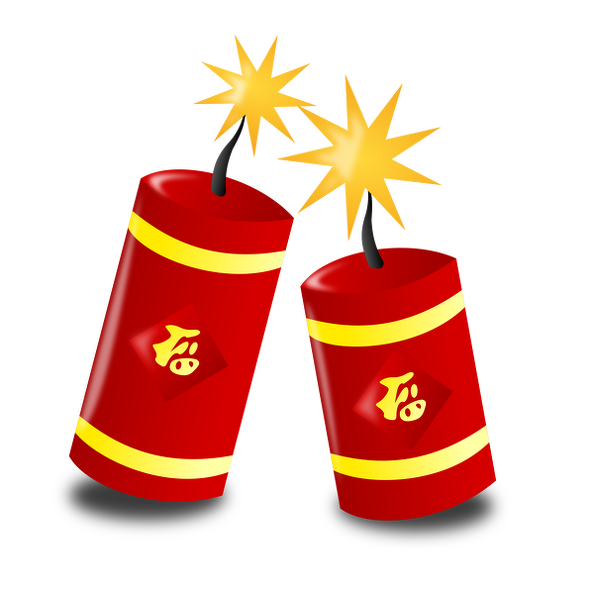
Firecrackers: Loud firecrackers are traditionally used to scare away evil spirits. However, in some regions, their use has been restricted due to safety concerns.
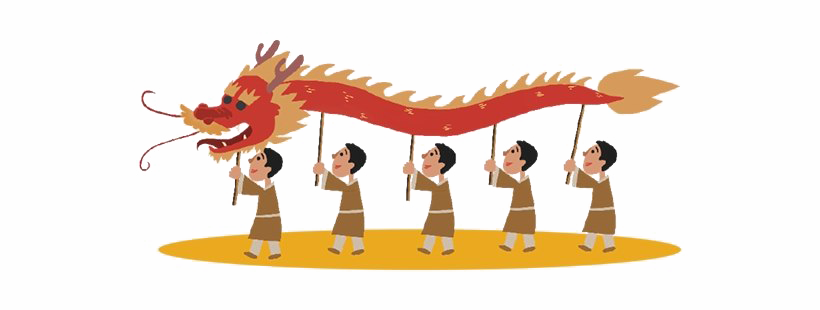
Dragon and Lion Dances: These lively performances feature acrobats under elaborate costumes, accompanied by loud drums and cymbals. The dances are thought to chase away negative energy and attract good fortune. Dragon dances, in particular, are a highlight of many celebrations.
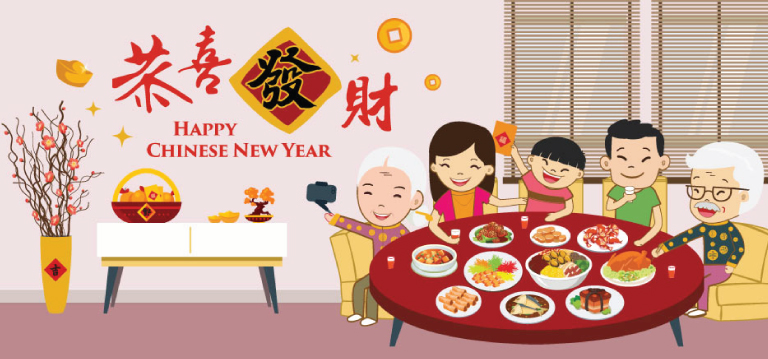
Traditional Foods and Family Gatherings: On the eve of Chinese New Year, families gather for a reunion meal. Dishes have symbolic meanings—chicken and prawns stand for happiness, while long noodles represent a long life.
Interesting Facts About Chinese New Year
- The exact date changes every year depending on the lunar calendar.

- The celebration can last up to 15 days, making it the longest festival in China.
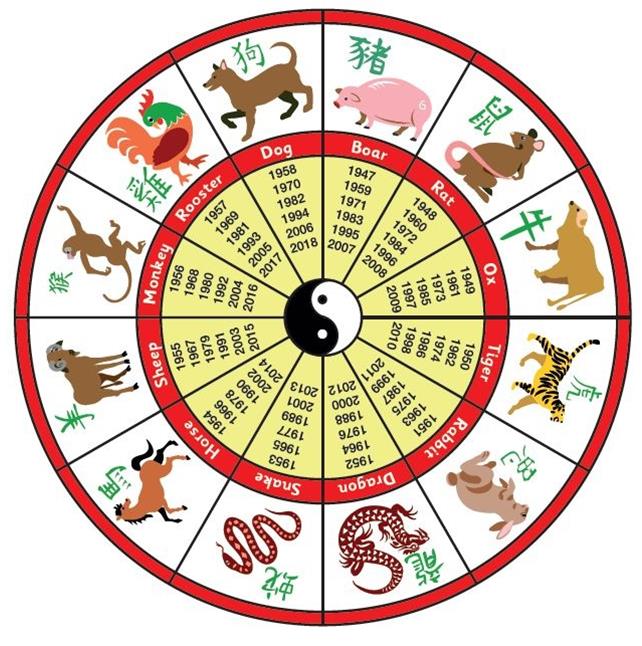
- Each year is represented by one of the 12 zodiac animals. People born in a specific year are believed to share traits with that animal.

- Many families clean their homes before the new year to sweep away bad luck and make room for good fortune.
Chinese New Year is a time to say goodbye to the past and welcome new beginnings with hope and joy.
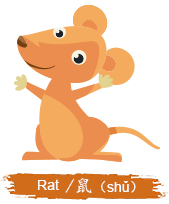
Each lunar year corresponds to an animal in the Chinese zodiac. According to legend, the Jade Emperor held a race to decide the order of the zodiac. The rat won by using cleverness, and the pig came in last.